


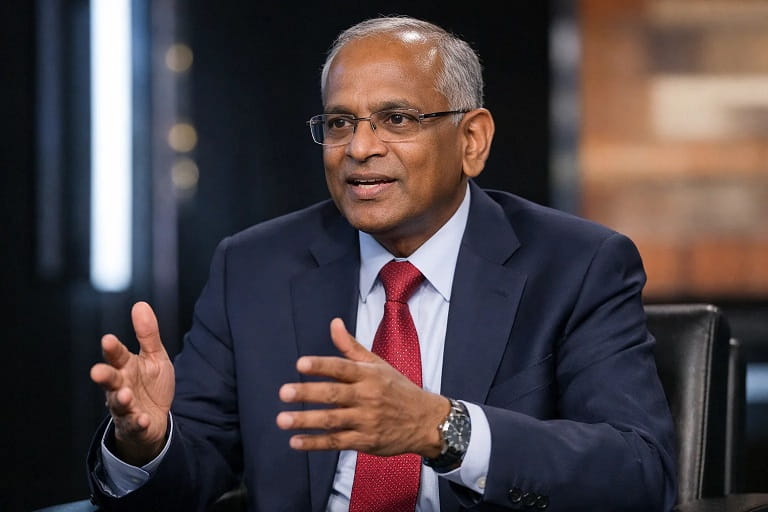
TCS Shares Slide to 52-Week Low as AI Fears Hammer the IT Sector
Man, if you own TCS stock, today probably stings. On March 12, 2026, Tata Consultancy Services shares crashed to their lowest point in a full year, dragging the entire Indian IT pack lower and wiping out billions in market value. The stock dipped below key support levels, briefly pushing its market cap under ₹10 lakh crore for the first time since late 2020. It’s not just TCS either — Infosys, Wipro, and the rest of the Nifty IT index took a beating too. The reason? Fresh panic over AI tools that could automate the very work Indian IT firms have built their businesses on.
I’ve followed this sector through plenty of ups and downs, and this feels like one of those moments where fear is outrunning facts. Let’s break down exactly what’s happening, why it’s hitting so hard, and whether this is a full-blown crisis or just a rough patch.
What Exactly Triggered the Slide Today
The sell-off kicked into high gear after new updates from Anthropic’s Claude tools showed they can now handle complex, multi-step enterprise tasks that used to require teams of coders and analysts. Investors immediately connected the dots: if AI can do the heavy lifting on coding, testing, maintenance, and even client workflows, why pay for thousands of billable hours from Indian IT firms?
Add in a global tech rout and lingering worries about slower client spending, and you’ve got the perfect storm. TCS alone dropped around 4-5% intraday, hitting a 52-week low near ₹2,560-2,585. The broader Nifty IT index fell over 4% at one point, marking one of its worst sessions in months. The sector as a whole has now lost tens of billions since these AI fears first flared up earlier this year.
TCS CEO Pushes Back — But the Market Isn’t Listening Yet
TCS boss K Krithivasan has been vocal lately, calling the “AI worry and anxiety” overblown. He points out that his company is already generating real money from AI solutions — about $1.8 billion in annualized revenue and growing fast. The firm is also pushing employees to use AI internally to deliver work faster and cheaper. In other words, TCS isn’t fighting AI — it’s trying to ride it.
Still, the Street isn’t convinced yet. Brokerages like Jefferies, CLSA, and HSBC have cut targets or downgraded ratings on TCS and peers, citing structural risks to the old headcount-based model. That lack of faith is what’s driving the price action right now.
How the Rest of the Sector Is Faring
It’s not a solo act. Infosys and Wipro also touched fresh 52-week lows in recent sessions. Persistent Systems, Coforge, LTIMindtree, and HCL Tech have all taken hits of 3-6%. The Nifty IT gauge is now down double digits year-to-date, making it one of the weakest performing sectoral indices in India right now.
Here’s a quick snapshot of the damage:
- TCS: Down sharply, market cap briefly below ₹10 lakh crore
- Infosys: Hovering near yearly lows
- Wipro: Slid to around ₹199-200
- Smaller names like Coforge and Persistent: Even steeper drops
The common thread? Everyone is feeling the same AI-driven anxiety.
Why This Fear Keeps Coming Back
Indian IT’s bread-and-butter has always been large teams handling repetitive or rule-based work for global clients. New agentic AI tools change that equation fast. Clients are already asking for lower rates or shifting parts of projects to AI-first vendors. That’s creating real uncertainty around future deal sizes and margins.
At the same time, most experts agree the panic is probably overdone in the short run. Indian firms have massive client relationships, deep domain knowledge, and are investing heavily in their own AI platforms (TCS Ignio, Infosys Topaz, etc.). The real story might be evolution rather than extinction — but markets hate uncertainty, and right now uncertainty is winning.
What This Means for Investors Right Now
If you’re holding these stocks, it’s been a rough stretch. But history shows these AI scares often create buying opportunities once the dust settles and earnings prove resilience. TCS still has strong cash flows, a clean balance sheet, and is actively adapting.
For new money, this dip could be worth watching — especially if you believe AI will need human oversight, integration, and domain expertise for years to come. Just don’t go all-in until the volatility eases and we see clearer signs from Q4 earnings.
Looking Ahead: Short Pain, Long-Term Adaptation
Most analysts expect more choppiness through March and April as more AI updates hit the headlines. A rebound could start once companies report steady deal pipelines and show how much AI revenue they’re actually booking.
The bigger picture remains intact: India’s IT sector isn’t going away — it’s just transforming. The winners will be the ones that move fastest to blend human talent with AI tools instead of fighting the tide.
If you’re a long-term investor, today’s slide might feel scary, but it could also be the kind of moment smart money quietly starts accumulating. Keep an eye on oil prices, US rate signals, and the next round of earnings — those will likely decide whether this fear trade has more legs or if it’s time for a comeback.
Quick Answers to the Questions Everyone’s Asking
- Why did TCS hit a 52-week low today? Fresh AI automation fears from tools like Anthropic’s Claude, combined with global tech weakness and broker downgrades.
- How much has the sector lost? Tens of billions in market value across Nifty IT names — with the index down sharply year-to-date.
- Is Indian IT finished because of AI? Not at all. The big players are investing heavily in AI and see it as a growth driver, not a death sentence. The market is just overreacting right now.
- Should I buy the dip in TCS? Only if you have a long horizon and believe in their ability to adapt. Short-term traders should stay cautious because volatility isn’t over.
- What’s next for these stocks? Watch quarterly results closely. Any sign of stable deals or rising AI revenue could spark a relief rally.