

Trump’s Feuds and Tensions with Allies Likely to Outlast Any Iran Conflict
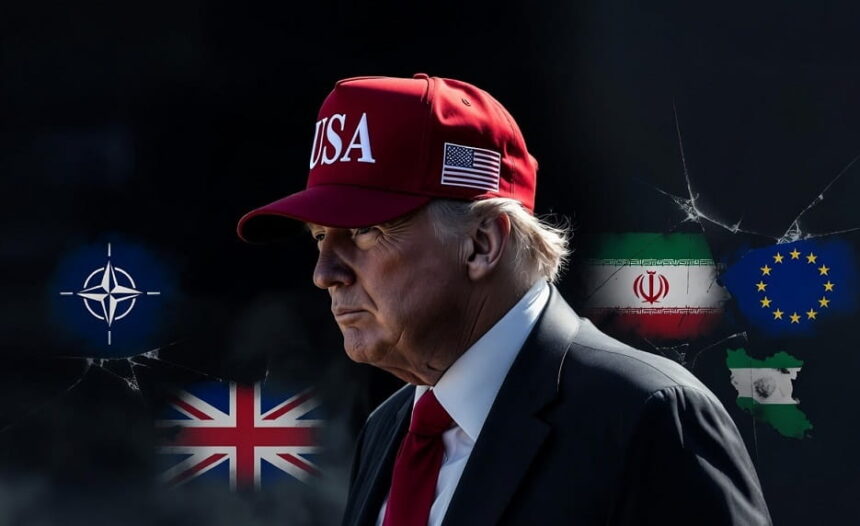
Even as the situation with Iran dominates headlines in 2026, many seasoned diplomats and analysts are already warning about something else: President Donald Trump’s strained relationships with traditional U.S. allies could create longer-lasting headaches for American foreign policy than the current Middle East tensions.
It’s a familiar pattern. Trump has never been shy about clashing with allies — whether it’s over trade, defense spending, climate policy, or perceived slights. While conflicts in the Middle East tend to be intense but time-limited, the friction with Europe, Canada, Japan, South Korea, and others often simmers for years.
Why These Tensions Feel Different This Time
Trump’s second term has seen him quickly revive his “America First” approach. He has publicly criticized NATO members for not spending enough on defense, threatened tariffs on European goods, and pushed hard on bilateral deals rather than multilateral ones. Several European leaders have already described the current atmosphere as “transactional and unpredictable.”
What makes this round particularly sticky is the combination of:
- Renewed demands for higher defense contributions from allies
- Aggressive tariff threats on allies over trade imbalances
- Public disagreements on how to handle China, Russia, and global institutions
- A clear preference for personal relationships with strongmen over traditional alliance diplomacy
These issues don’t disappear when the guns fall silent in the Middle East. They are structural and tied to Trump’s core worldview.
Recent Flashpoints That Show the Pattern
In just the first few months of 2026, we’ve already seen:
- Sharp public exchanges with Canadian and Mexican leaders over border security and trade
- Frustration from Germany and France over U.S. pressure on European energy policy
- Renewed complaints about South Korea and Japan’s contributions to hosting U.S. troops
- Mixed signals on support for Ukraine that have left European allies nervous
Even countries that generally align with Trump’s views on China have expressed private concern about the unpredictable style of engagement.
Why These Tensions Could Easily Outlast the Iran Situation
Middle East conflicts, while dangerous, often follow a pattern of escalation, containment, and eventual de-escalation. Diplomatic feuds with allies are different because they erode trust over time. Once damaged, rebuilding alliance confidence can take years.
Experts point out that:
- Allies have started hedging their bets — increasing defense spending on their own terms and exploring alternatives to full reliance on Washington.
- Trade disputes create lasting economic friction that outlives any single crisis.
- Personal diplomacy styles can create long-term resentment even among friendly governments.
A senior European diplomat recently told Reuters (on background) that “the Iran situation will eventually stabilize, but the question of whether we can reliably count on the United States is becoming a structural concern.”
The Double-Edged Sword for Trump
Trump’s supporters argue this tough approach forces allies to finally pull their weight and puts America’s interests first. They see it as overdue accountability after decades of what they call “freeloading.”
Critics counter that alienating allies weakens America’s global position at a time when China is actively courting partners through economic diplomacy. They worry that constant friction makes coordinated action on big issues — from supply chains to technology standards — much harder.
Looking Ahead: Will Anything Change?
Most analysts expect these tensions to remain a feature, not a bug, of Trump’s second term. While tactical deals will be made, the underlying approach — maximum pressure and bilateral leverage — appears firmly set.
For global markets and businesses, this means continued uncertainty. Companies are already adjusting supply chains and investment plans with a more fragmented alliance system in mind.
The big question hanging over 2026 and beyond: Can the United States maintain its traditional leadership role while keeping its closest partners at arm’s length? History suggests that alliances built on mutual benefit tend to be more durable than purely transactional ones.
Quick Takeaways
- Short-term Iran-related tensions may fade, but alliance frictions are likely here to stay.
- European and Asian allies are quietly preparing for a less predictable America.
- Trump views this as smart negotiating; critics see it as self-inflicted isolation.
The coming months will show whether these feuds remain manageable disagreements or evolve into deeper, longer-term cracks in the Western alliance system.
FAQs
Will Trump’s tensions with allies affect the Iran situation? They already are. Some allies are hesitant to fully align with aggressive U.S. moves because of broader trust issues.
Which countries are most frustrated? Germany, France, Canada, and South Korea have been the most vocal in private briefings.
Is this just Trump being Trump, or something new? It’s an intensified version of his first-term approach, but with higher global stakes in 2026.
Could this hurt U.S. interests long-term? Many diplomats believe yes, especially regarding coordinated responses to China and global security challenges.