


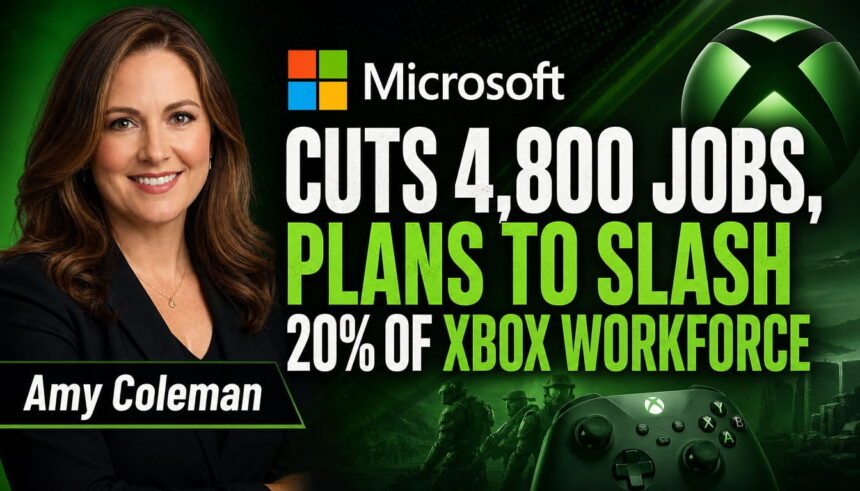
Microsoft Cuts 4,800 Jobs, Plans to Slash 20% of Xbox Workforce: What It Means for Tech and Gaming Industry
Microsoft has announced significant job cuts, eliminating approximately 4,800 positions globally while planning to reduce around 20% of its Xbox division workforce. This restructuring comes as the technology giant streamlines operations, focuses on efficiency, and adapts to evolving market dynamics in cloud computing, artificial intelligence, and gaming.
The moves reflect broader industry trends of cost optimization amid rapid technological changes and economic pressures. This detailed overview explores the reasons, impacts, historical context, and future implications of Microsoft’s latest workforce adjustments.
Reasons Behind Microsoft’s Major Job Cuts
Microsoft’s decision to cut 4,800 jobs is part of ongoing efforts to align resources with strategic priorities. The company is investing heavily in artificial intelligence and cloud infrastructure, areas requiring different skill sets and higher capital allocation.
In the Xbox division, a planned 20% workforce reduction aims to improve operational efficiency following mixed results in gaming hardware and content performance. These changes allow Microsoft to reallocate talent toward high-growth segments like AI integration in products and services while maintaining competitiveness.
Details of the Xbox Workforce Reduction
The Xbox team, central to Microsoft’s gaming ambitions, will see substantial streamlining. This includes roles across development, marketing, and support functions. Despite the cuts, Microsoft remains committed to its gaming ecosystem, including Xbox consoles, Game Pass subscription service, and first-party studios.
The reduction is expected to help create a more agile organization capable of faster innovation in cloud gaming and cross-platform experiences.
Broader Impacts on Employees and the Tech Industry
Job losses at this scale affect thousands of families and local economies, particularly in tech hubs like Seattle and other global locations. Affected employees may receive severance packages, but the news has created uncertainty across the sector.
For the wider tech industry, such moves signal a continued period of consolidation. Companies are balancing aggressive AI spending with profitability goals, leading to tighter hiring and restructuring. This could accelerate talent shifts toward startups or other firms investing in emerging technologies.
Historical Context of Microsoft Layoffs
Microsoft has a track record of periodic workforce adjustments during periods of transformation. Past rounds included significant cuts during the shift to cloud computing under Satya Nadella’s leadership, as the company moved away from traditional software licensing models.
The current cuts follow similar actions in recent years, driven by post-pandemic normalization, economic headwinds, and the need to fund massive AI initiatives. Each cycle has ultimately positioned Microsoft stronger in new growth areas, though they bring short-term challenges for morale and innovation continuity.
Financial and Strategic Rationale
These job reductions are expected to generate substantial cost savings, helping offset heavy expenditures on data centers, AI research, and acquisitions. Microsoft continues to report strong overall financial performance, with cloud revenue and AI-related services showing robust growth.
By optimizing the workforce, the company aims to improve margins and maintain investor confidence while pursuing long-term dominance in intelligent cloud and gaming.
Future Scope and Opportunities After the Cuts
Post-restructuring, Microsoft is likely to accelerate integration of AI across its portfolio, including Xbox experiences and productivity tools. The gaming division may focus more on subscription models, cloud streaming, and selective high-quality releases rather than broad hardware pushes.
Opportunities exist in emerging markets, metaverse-related technologies, and partnerships. The streamlined structure could enable faster decision-making and innovation, potentially leading to stronger performance in coming years.
Effects on the Gaming Industry and Xbox Ecosystem
The Xbox workforce cuts raise questions about the pace of future game development and support. However, Microsoft has emphasized that core commitments to players remain intact, with Game Pass continuing as a key growth driver.
This may influence competitors to evaluate their own strategies in console wars and live-service gaming. Overall, the industry is shifting toward sustainable, profitable models amid rising development costs.
Microsoft Job Cuts Breakdown
| Division/Area | Approximate Impact | Primary Focus of Changes |
|---|---|---|
| Overall Workforce | 4,800 jobs | Efficiency and AI reallocation |
| Xbox Division | ~20% reduction | Operational agility in gaming |
| Other Segments | Targeted roles | Cloud, AI, and support functions |
Regional and Role-Specific Considerations
Cuts are distributed globally but concentrated in areas with overlapping functions. Engineering, marketing, and administrative roles appear most affected. Microsoft is expected to support transitions through outplacement services and internal mobility where possible.
Frequently Asked Questions (FAQs) on Microsoft Job Cuts
How many jobs is Microsoft cutting in total?
Approximately 4,800 positions globally as part of the restructuring effort.
What percentage of the Xbox workforce is being reduced?
Around 20%, aimed at improving efficiency in the gaming division.
Will these cuts affect Xbox game development?
Microsoft states core projects and player experiences remain prioritized, with focus shifting toward high-impact initiatives.
Why is Microsoft making these changes now?
To align costs with strategic investments in AI and cloud while enhancing overall competitiveness.
What should affected employees expect?
Support packages, severance, and potential opportunities in other growing areas of the company or industry.
How does this impact Microsoft stock and investors?
Such moves often reassure markets by demonstrating fiscal discipline, supporting long-term growth narratives.
Navigating the Future in Tech and Gaming
Microsoft’s announcement of 4,800 job cuts and a 20% Xbox workforce reduction underscores the dynamic nature of the technology sector. While challenging in the short term, these steps are designed to build a leaner, more focused organization ready for the next wave of innovation.
As AI, cloud computing, and interactive entertainment evolve, Microsoft’s ability to execute this transformation will determine its leadership position. The broader industry watches closely, as similar efficiency drives shape the future of work in tech.